
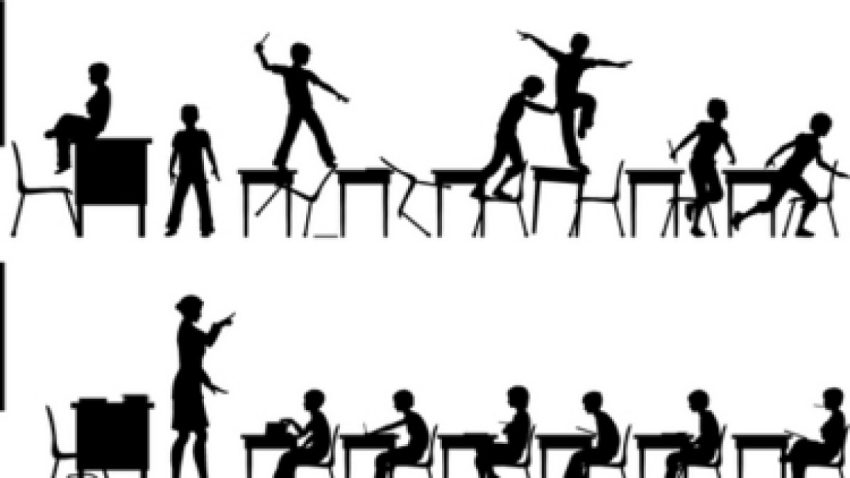
Recent reports from Greece describing the death of a teacher after prolonged stress and bullying by students have shocked the public. While the exact circumstances still require careful clarification, the broader issue raised by the case is not new: the gradual erosion of authority within the classroom.
Teachers across Europe increasingly report situations where discipline becomes difficult, parental cooperation is weak, and educational standards decline. The Greek case therefore deserves attention not only as an isolated tragedy but also as a warning about systemic weaknesses.
The Greek Educational Environment
In Greece, the culture of education has long stressed social promotion and inclusion. In practice, this often means that students progress to the next class even when their academic performance or behavioral conduct does not meet the required level.
While the intention is positive—avoiding stigma and giving students additional chances—the unintended consequence is the gradual lowering of classroom discipline. Teachers frequently face situations where disruptive behavior carries little institutional consequence.
When authority structures weaken, responsibility is quietly transferred to the teacher alone. Over time this can create enormous psychological pressure.
The German Model: Advancement Must Be Earned
Germany follows a different philosophy.
In the German system, advancement to the next grade is not automatic. If a student fails to reach the required academic standards, the student may be required to repeat the year (Sitzenbleiben).
Although sometimes criticized as strict, the rule establishes an important principle:
progress in education requires demonstrated competence and responsibility.
This structure creates several stabilizing effects:
- students understand that effort has real consequences
- disruptive behavior affects academic outcomes
- teachers retain institutional support in maintaining discipline
- classrooms remain structured learning environments
In other words, the system protects the authority of the teacher.
The Growing Complexity of Modern Classrooms
European classrooms today are also becoming more complex due to increasing cultural and linguistic diversity. This development presents both opportunities and challenges.
Integration in schools requires clear expectations and stable institutional frameworks. Without them, differences in language, educational background, and social norms can create tensions within the classroom environment.
Successful integration therefore depends on two key factors:
- clear educational standards
- consistent enforcement of rules
When these foundations are weak, teachers become the first victims of systemic failure.
Protecting Teachers Means Protecting Education
The tragic Greek case should therefore not be reduced to a single incident. It raises a deeper question about how European societies support the people responsible for educating the next generation.
Teachers cannot carry the burden of discipline alone.
Educational systems must ensure that:
- schools have clear authority structures
- academic standards are maintained
- disruptive behavior has consequences
- teachers receive institutional backing
Without these protections, the classroom risks becoming an environment where learning becomes secondary to conflict management.
A European Discussion We Cannot Avoid
The future of education in Europe will depend on the ability of states to balance inclusion with standards.
The German system demonstrates that maintaining academic thresholds and clear rules can protect both teachers and students.
The Greek tragedy reminds us what may happen when those structures weaken.
If Europe wants strong schools, it must also guarantee something fundamental:
respect for the teacher and the authority of the classroom.